Skip to content
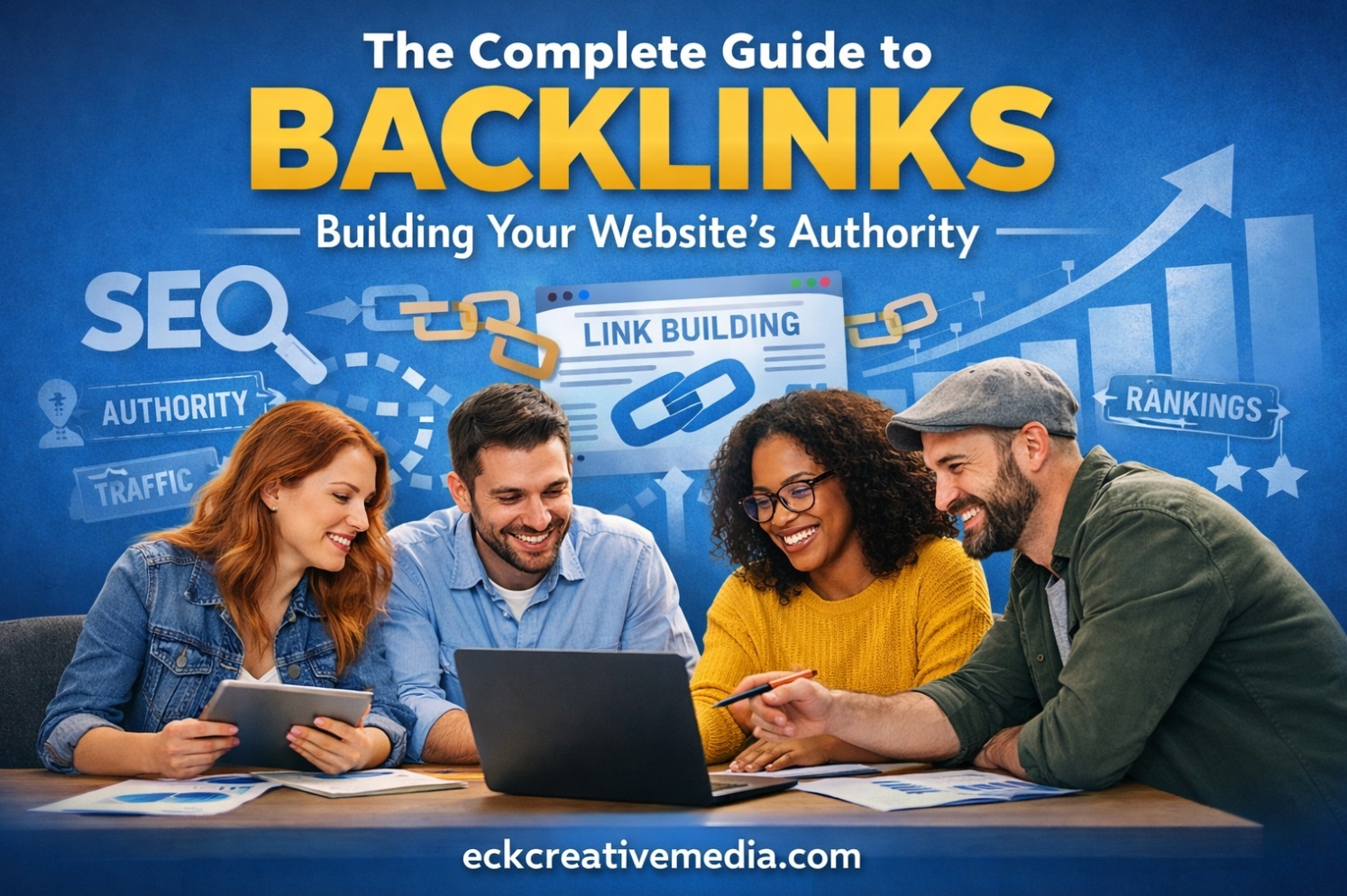
Introduction
Backlinks are one of the clearest signals that your website is trusted. Think of them as digital referrals: when another site links to your page, they’re essentially saying, “This is worth reading.” Search engines notice those referrals, and over time they can help your content earn stronger visibility, more traffic, and more authority.
In this guide, you’ll learn what backlinks are, which ones actually help SEO, and the safest ways to build them—without shortcuts that can backfire.
Quick Answer:
A backlink is a link from another website to yours. High-quality backlinks can improve SEO by signaling trust and relevance to search engines—especially when links come from reputable, topic-related websites.

Understanding SEO Backlinks
SEO Backlinks Definition
A backlink is a link from one website to another. If Website A links to your page, that link is a backlink to your site.
Search engines treat backlinks like signals of credibility. Not every link helps, but high-quality backlinks can support stronger rankings because they suggest your content is useful, relevant, and trusted.
Why Backlinks Matter
Backlinks can help your site in three major ways:
-
Authority & Trust: Links from respected sites can improve your perceived credibility.
-
Search Visibility: Strong link profiles often correlate with stronger rankings for competitive terms.
-
Referral Traffic: A link on the right site can send real visitors who convert.

Types of SEO Backlinks
Dofollow vs Nofollow Links
-
Dofollow links pass ranking value (“link equity”) and can influence SEO more directly.
-
Nofollow links typically don’t pass ranking value in the same way, but they can still bring traffic, visibility, and brand signals.
Peach rule: Don’t obsess over only dofollow. A natural backlink profile usually includes both.
Editorial/Natural Backlinks
These are earned when someone links to your content because it genuinely helped them—examples include:
-
A blogger citing your guide
-
A journalist referencing your resource
-
A business listing your tool or checklist
This is the best type of backlink because it’s based on real value.
Contextual Backlinks
A contextual backlink appears inside the main body of relevant content (not in a footer/sidebar). These often carry more weight because the surrounding text helps search engines understand why the link belongs there.
High-Authority Backlinks
These links come from well-known, trusted websites in your space. One strong link from a reputable, relevant site can be more valuable than many weak links.

How to Get SEO Backlinks
Beginner-Friendly Methods
1) Create link-worthy assets
Examples that attract links naturally:
-
Creating comprehensive guides, such as this one, is an effective strategy.
-
Checklists and templates
-
Original data or case studies
-
Visual explainers and infographics
2) Local citations (for local businesses)
Get listed on reputable directories that match your industry and geography.
3) Partnerships & vendor links
If you work with vendors, associations, or community partners, request a “Partners” or “Resources” link.
Intermediate Strategies
4) Guest blogging (quality-first)
Contribute to relevant sites that genuinely have an audience. Focus on helping their readers, not dropping a link.
5) Broken link building
Find a broken resource on a site, then suggest your equivalent page as the replacement. It’s helpful and often welcomed.
6) Digital PR (the authority accelerator)
Pitch unique insights, data, or a strong opinion to publishers in your niche.
Advanced (High-Leverage) Strategy
7) Competitive backlink gap analysis
Look at who links to your competitors and identify link opportunities you’re missing:
-
resource pages
-
list articles (“best tools”)
-
niche communities
-
industry publications
Backlink Analysis and Cleanup
Audit Your Backlink Profile
A backlink audit helps you:
-
spot spammy or irrelevant links
-
evaluate anchor text patterns
-
identify pages that deserve more links
Watch out for toxic links
If you see unnatural patterns (mass low-quality links, weird anchors, irrelevant sites), you may need to:
-
request removals
-
reduce manipulative tactics
-
use Google’s disavow process only when truly necessary
Link Equity and Internal vs External Links
What is “link juice” in SEO?
Link equity (often called “link juice”) is the value a link can pass. You don’t control external links completely—but you do control how authority flows inside your website.
Internal links are your hidden superpower
Strong internal linking helps:
-
guide users to your key pages
-
distribute authority to important content
-
help search engines understand site structure
Peach move: When you earn a backlink to one post, add internal links from that post to your most important service pages or conversion pages.

White Hat vs Black Hat Link Building
White hat = earned links through quality content, relationships, PR, and useful resources.
Black hat = paid link schemes, private networks, automated spam, and manipulative anchors.
If you want to build long-term authority, you should adhere to white hat practices. The goal isn’t “more links”—it’s more trust.
Conclusion
Backlinks are one of the strongest long-term drivers of website authority—but only when they’re relevant, earned, and supported by great content. Build link-worthy pages first, then promote them strategically. Over time, your backlink profile becomes a durable competitive advantage.
Want help building a safe backlink strategy (and tracking results)?
Do you require backlinks that bolster rankings, foster trust, and facilitate sustainable growth?
We design authority-first SEO strategies built to earn links naturally—without shortcuts or penalties.
👉 Explore our backlink & authority services
5 Surprising Facts about “the complete guide to Backlinks: Building Your Website’s authority”
- Not all backlinks are equal: a single high-quality backlink from an authoritative, topically relevant site can boost your site’s authority far more than dozens of low-quality links from unrelated pages.
- Anchor text diversity matters more than exact-match anchors: overly optimized anchor text can trigger penalties, while a natural mix of branded, generic, and long-tail anchors strengthens trust and reduces risk.
- Internal linking amplifies backlink value: links from external sites often pass more authority when they lead to a page that’s well-linked internally, distributing that authority across your site.
- Links from older, stable pages often carry more weight than links from newly published posts—site age and perceived longevity influence how much authority a backlink transfers.
- Social signals and real-world mentions can indirectly boost backlink effectiveness: content that’s widely shared or referenced offline attracts better linking domains, increasing the long-term authority gained from backlinks.
12 Common Mistakes People Make About “The Complete Guide to Backlinks: Building Your Website’s Authority”
- Focusing on Quantity Over QualityChasing large numbers of low-quality links instead of a smaller number of authoritative, relevant links dilutes value and can trigger search penalties.
- Buying Links or Using Link FarmsPurchasing links or using networks of low-quality sites is a short-term tactic that risks manual actions and long-term authority loss.
- Ignoring RelevanceLinks from sites unrelated to your niche provide less SEO value and lower referral traffic; relevance matters as much as authority.
- Over-Optimizing Anchor TextUsing the same exact-match anchor text repeatedly appears manipulative to search engines; use natural, varied anchors, including branded and URL anchors.
- Neglecting Content QualityTrying to build links before producing link-worthy content wastes outreach efforts; great content attracts organic, high-value backlinks.
- Not Auditing Toxic or Spammy LinksOld or spammy backlinks can harm rankings; regular backlink audits and disavow when necessary are essential maintenance tasks.
- Failing to Diversify Link SourcesRelying on a single tactic (guest posting, directories, or press releases) is risky; mix editorial links, partnerships, mentions, and social signals.
- Expecting Instant ResultsAuthority builds over months or years; impatience leads to risky shortcuts that can damage long-term growth.
- Poor Outreach and Relationship BuildingGeneric, mass outreach messages get ignored; personalized pitches and genuine relationship building yield better placements and repeat opportunities.
- Ignoring Internal Linking and On-Page SEOBacklinks are more effective when supported by solid internal linking, clear site structure, and optimized on-page elements.
- Not Tracking the Right MetricsFocusing only on total link counts or domain authority scores misses impact; track referral traffic, rankings for target keywords, link relevance, and conversions.
- Misunderstanding Nofollow and Sponsored LinksAssuming nofollowed links have zero value is incorrect—referrals, brand signals, and indirect SEO benefits still matter; use sponsored/nofollow attributes appropriately to avoid penalties.
FAQ
What is a backlink in SEO?
A backlink is a link from another website to yours. Search engines use backlinks as signals of credibility and relevance.
Are nofollow backlinks useful?
Yes. Nofollow links can still drive referral traffic, increase brand visibility, and create a natural-looking backlink profile.
How do I get backlinks safely?
Publish link-worthy resources, build relationships in your niche, earn mentions through PR, and use tactics like guest posting and broken link outreach—without buying links or spamming directories.
How does building backlinks improve my website authority and search engine ranking?
Backlink building is the process of getting links from other websites to your page on your website; these links signal to search engines like Google that your content is valuable. Quality backlinks from an authority site or relevant websites can boost domain authority and page authority, improving search ranking and search results visibility. This comprehensive guide explains the importance of link building and how strategic link back strategies can increase traffic and search ranking for a website owner.
What are high-quality backlinks, and why are they important for optimization?
High-quality backlinks come from reputable, relevant sites with strong domain authority and natural editorial context. They differ from low-value links and buying schemes; backlinks are created equal only in concept, but quality backlinks carry more weight for search engine results and optimization. Prioritizing relevance, anchor text diversity, and authoritative sources helps improve search engine ranking and overall authority and credibility of your site.
What beginner techniques can I use to build backlinks without paying?
For beginners, free techniques include guest posting on niche blogs, participating in forums, submitting to relevant directories (with caution), and leveraging social media and free submission platforms to get links to your website. Broken link building and content promotion outreach are effective low-cost strategies. This guide to link building emphasizes that consistent content quality and relationship building with influencers and other website owners deliver long-term benefits.
How does guest posting fit into modern link-building strategies and outreach?
Guest posting is a core approach to link building where you create content for another site in exchange for a link back to your website. When done ethically with relevant, high-quality content, guest articles on authority sites help build relationships, boost referral traffic, and strengthen search engine ranking. Combine guest outreach with a clear strategy, targeting sites that align with your niche and contribute to your page authority.
Is buying backlinks ever a beneficial idea or a risk to avoid?
Buying backlinks is generally risky and often violates search engines’ guidelines; low-quality purchased links can lead to penalties and harm search engine results. A better approach to building website authority is through organic link-building strategies, content marketing, outreach, and earning links from media, influencers, and authority sites that naturally link to your content. The long-term benefit of quality link building outweighs short-term gains from buying links.
What role do content and blogging play in attracting quality links and improving traffic?
Content and blogging are foundational to earning quality backlinks: well-researched, unique, and shareable content attracts links from websites that find value in linking to your page. Creating an ultimate guide to building posts, how-to resources, and data-driven articles encourages other sites and search engines to believe that your content deserves links, improving search engine rankings and referral traffic. Content promotion via outreach and social media amplifies this effect.
How can I use broken link building and directory submission safely?
Broken link building involves finding broken links on other websites and suggesting your content as a replacement, providing value to webmasters while getting a link back to your content. Directory submission can be useful if you choose reputable, niche directories; avoid low-quality mass submission sites. Both techniques should be part of a balanced link-building strategy focused on relevance and authority to help your website and improve search engine results.
What tools and metrics should I use to measure backlink building success and domain authority?
Use SEO tools to track backlinks, domain authority, page authority, referral traffic, and search engine ranking changes. Tools that show the quality of link profiles, anchor text, and linking domains help you assess whether your link-building strategies are working. Measure improvements in search results, traffic and search ranking, and the number of websites that link to your content to refine your approach to link building over time.
- Is AI Recommending Your Business? How to Measure AI Visibility - July 17, 2026
- The Ultimate Guide to Social Media Marketing: Success Strategies - July 9, 2026
- Landing Page Best Practices for Maximum Conversions - July 3, 2026