Skip to content
Understanding Geotargeted Marketing
Imagine you’re a small café nestled in a bustling neighborhood, but your foot traffic is as sparse as a desert oasis. You know your lattes are the stuff of dreams, yet locals are blissfully unaware. Enter geotargeted marketing, your secret weapon to turning that coffee shop into the go-to spot for caffeine lovers.
Geotargeted marketing isn’t just a buzzword; it’s a game-changer. By leveraging location data, businesses can send tailored messages to potential customers right when they’re in the vicinity. According to a study by Google, 76% of people who search for something nearby visit a business within a day. This statistic is not only impressive, but it practically demands your attention!
The Power of Precision
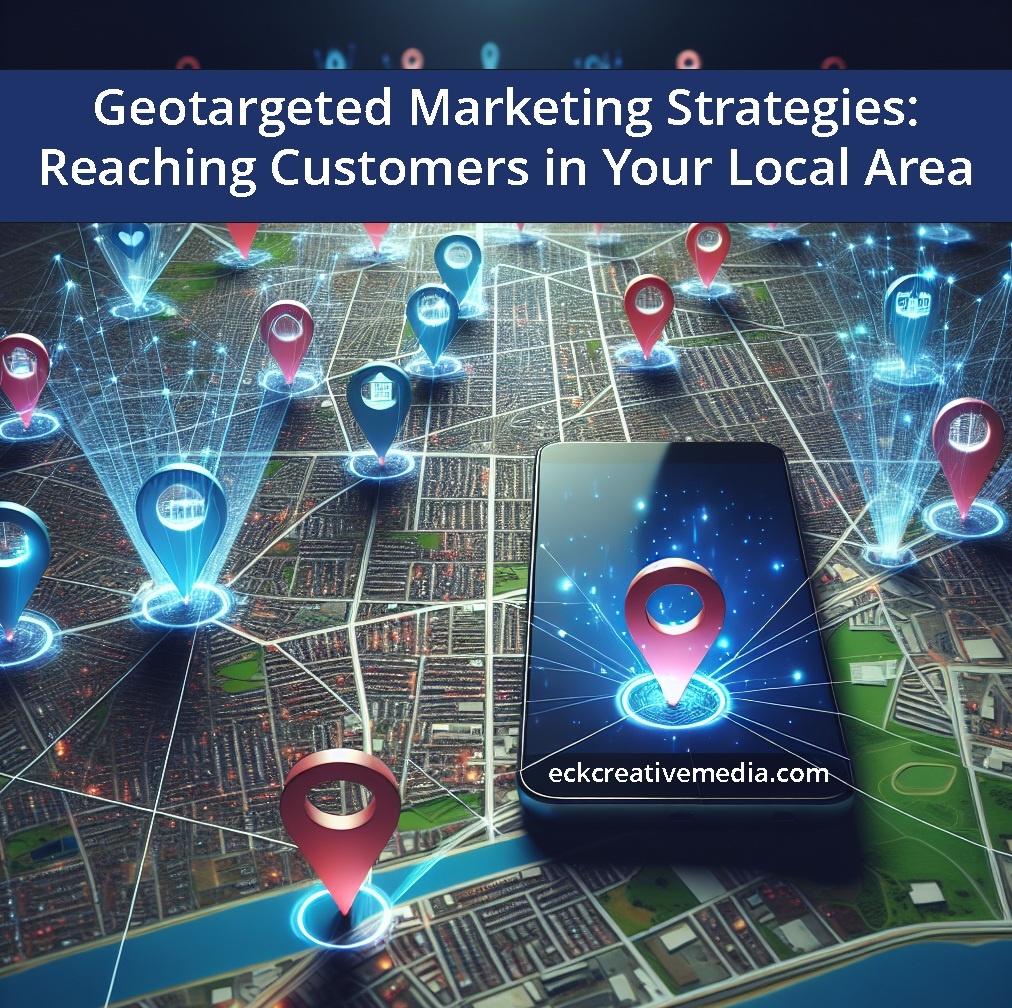
Let’s break it down. Geotargeting allows businesses to focus their marketing efforts on specific areas, whether it’s a zip code or even within walking distance from their storefront. This implies that rather than aiming for a broad audience that rarely yields results, you should strategically place your bait where the potential customers are most likely to be found.
For instance, consider an artisanal bakery that wants to attract more customers during the morning rush. By using geotargeted ads on social media platforms or Google Ads, they can reach users who are near their location with enticing offers, like Freshly baked croissants just around the corner!
Real-World Success Stories
But does it really work? you might ask. The answer is an emphatic yes! Take, for example, a local gym that was struggling with membership sign-ups. By implementing geotargeted Facebook ads aimed at residents within a two-mile radius and promoting a free trial week, they saw an increase in foot traffic by over 40% in just one month.
‘Geotargeting isn’t just about reaching people; it’s about reaching the right people at the right time.’
How Can You Get Started?
Now that you’re convinced of its power, how do you get rolling with geotargeted marketing? Start by analyzing your customer demographics and pinpointing key locations where you want to focus your efforts.’
Next up? Choose the right platforms. Social media channels like Facebook and Instagram offer robust geolocation targeting options that allow you to customize your ads based on user location.
Data Sources for Geotargeting
Let’s face it: if you’re not using the right data sources for your geotargeted marketing, you might as well be throwing darts blindfolded. You wouldn’t want to miss out on potential customers who are practically knocking on your door, right?
Consider this: 80% of consumers are more likely to make a purchase when brands offer personalized experiences. The key to personalization? Accurate data sources that help you understand where your customers are and what they want.
Types of Data Sources
When it comes to geotargeting, there are several types of data sources you can tap into. Let’s break them down:
- GPS Data: This is the gold standard for location accuracy. Smartphones use GPS to pinpoint users’ locations with impressive precision.
- IP Address Geolocation: While not as precise as GPS, IP addresses can give you a rough idea of where users are connecting from, especially useful for desktop users.
- Wi-Fi Positioning: Businesses can use Wi-Fi signals to determine the location of devices within a certain range. This is particularly useful for brick-and-mortar stores.
- Beacons: Small Bluetooth devices that send notifications to smartphones nearby. They’re perfect for engaging customers in-store with special offers.
- Social Media Check-Ins: Platforms like Facebook and Instagram allow users to check in at locations, providing valuable insights into foot traffic patterns.
Combining Data Sources
Using a single data source is like trying to make a cake with just flour; it’s not going to rise. To really get the most out of geotargeted marketing, combine multiple sources. For example, pairing GPS data with social media check-ins can give you both location accuracy and behavioral insights.
The best geotargeted campaigns leverage multiple data sources for maximum impact.
Real-World Example
Let’s look at a local pizza joint that started using geotargeted ads during the lunch rush. They combined GPS data from their app with social media check-ins from loyal customers. By analyzing this information, they discovered that most orders came from nearby offices during specific hours.
With this knowledge, they tailored their lunchtime promotions specifically targeting those office workers through ads on social media platforms they frequented. The result? The result was a staggering increase in lunchtime orders by over 50%!
‘So next time you’re crafting your geotargeted marketing strategy, remember: it’s all about leveraging the right combination of data sources. Get creative and think outside the box!’
As you consider how these strategies apply to your business, think about what unique customer behaviors or preferences might be hiding just beyond your reach!
Creating Localized Content Strategies
Imagine you’re a trendy taco truck parked in a bustling downtown area, but your social media posts are reaching people in other states. That’s like throwing a fiesta and forgetting to invite the neighbors! To truly capitalize on geotargeted marketing, you need to create localized content that resonates with your community.
Localized content is more than just inserting the name of your city into a generic blog post. It’s about understanding the unique culture, interests, and needs of your local audience. According to HubSpot, businesses that prioritize localized content see a 70% increase in engagement. If that doesn’t light a fire under your marketing strategy, I don’t know what will!
Step 1: Know Your Audience
Start by digging deep into who your customers are. Create detailed buyer personas based on local demographics—age, interests, lifestyle—and even seasonal trends. For example, if you’re running a fitness studio in Miami, you’ll want to tailor your messaging around beach season workouts and outdoor classes rather than winter fitness tips.
Step 2: Highlight Local Events and Trends
Is there a local festival coming up? Or perhaps there’s an annual charity run? Use these events as opportunities to create relevant content that connects with your audience. A local bakery could whip up special treats for the county fair and share mouthwatering photos on social media with hashtags specific to the event.
Localized content strategies can drive foot traffic by making customers feel connected to their community.
Step 3: Leverage User-Generated Content
‘Nothing says local like showcasing real customers enjoying your products or services.’ Encourage patrons to share their experiences on social media using a unique hashtag related to your business. Feature their posts on your platforms with permission—this builds community and provides authentic content that resonates with potential customers.
Step 4: Optimize for Local SEO
What’s the point of making the best local content if no one can find it? Make sure you’re optimizing for local search terms and including geographic keywords naturally within your copy. For instance, instead of just “best tacos,” try “best tacos in your city.”
Step 5: Measure and Adjust Your Strategy
Finally, keep an eye on how well your localized content is performing. Use analytics tools to track engagement metrics such as likes, shares, comments, and foot traffic conversions from geotargeted ads. If a particular approach is not yielding the desired results—such as the taco truck post regarding winter chili recipes—do not hesitate to adjust your strategy accordingly.
The beauty of localized strategies is their flexibility; adapt based on what resonates most with your audience. Remember that creating localized content isn’t just about selling; it’s about building relationships within your community.
Channel Selection for Geotargeted Campaigns
Choosing the right channels for your geotargeted campaigns can feel like picking the perfect outfit for a first date. You want to impress, but you also need to be comfortable and authentic. The channels you select will define how well your message reaches those local coffee lovers or gym enthusiasts.
Did you know that 90% of consumers prefer personalized experiences? This makes channel selection crucial!
Step 1: Identify Your Audience
Before you can pick your channels, it’s essential to know who you’re trying to reach. Are they tech-savvy millennials who live on their smartphones, or are they older adults who prefer good old-fashioned email? For instance, if you’re a boutique fitness studio targeting young professionals, platforms like Instagram and TikTok might be your best friends.
Step 2: Evaluate Platform Strengths
Each platform has its strengths when it comes to geotargeting. Facebook is a powerhouse for detailed ad targeting based on location and interests, while Snapchat offers fun, ephemeral ads that can engage younger audiences in a visually appealing way. Consider what fits your brand personality and goals.
- Facebook: Excellent for detailed targeting and community engagement.
- Instagram: Perfect for visual storytelling and younger demographics.
- Google Ads: Great for capturing high-intent searches from nearby customers.
- Snapchat: An engaging platform for reaching Gen Z with creative content.
Step 3: Test Multiple Channels
“Don’t put all your eggs in one basket” is not just a saying; it’s a strategy! Launch small campaigns across different channels to see where your audience engages most effectively. For example, a local restaurant could run geotargeted ads on Facebook while simultaneously engaging users through Instagram Stories showcasing daily specials.
Step 4: Analyze Results and Optimize
The beauty of geotargeted campaigns lies in their adaptability. Don’t hesitate to pivot if something fails to resonate, such as an overly serious LinkedIn post from a fun-loving taco truck. Always be ready to adjust based on what resonates most with your audience.
As you refine your channel selection strategy, think about how each platform aligns with your brand’s voice and audience preferences.
Remember, it’s not just about being present; it’s about making meaningful connections!
Measuring the Impact of Geotargeted Efforts
Picture this: you’ve just launched a geotargeted campaign, and the anticipation is palpable. But how do you know if your efforts are actually paying off? Warning: relying solely on luck will not suffice. To demonstrate the effectiveness of your geotargeted marketing, you require concrete data.
A staggering 70% of marketers claim that measuring campaign effectiveness is their biggest challenge. If you fall into this camp, don’t worry—there’s a way out! Knowing which metrics to monitor can turn your marketing strategy from a haphazard approach into a well-functioning system.
Key Metrics to Track
When it comes to measuring the impact of geotargeted efforts, certain metrics should be at the forefront of your analysis. Here’s a breakdown:
- Foot Traffic: Use tools like Google My Business or third-party apps to track how many people visit your location after seeing your ads.
- Conversion Rates: Monitor how many users take action—whether it’s signing up for a newsletter or making a purchase—after engaging with your geotargeted content.
- Engagement Metrics: Look at likes, shares, comments, and click-through rates on social media platforms to gauge audience interest.
- Customer Feedback: Encourage reviews and direct feedback from customers who came in as a result of your campaign. This qualitative data can provide insights beyond numbers.
Using Analytics Tools
So, how do you gather all this data? you might wonder. Enter analytics tools! Platforms such as Google Analytics and Facebook Insights provide extensive tracking capabilities, enabling you to analyze user behavior in detail.
For instance, consider a local coffee shop using Google Analytics to track visitors who clicked on their geotargeted ads. They discover that most traffic comes during morning hours when people are looking for their caffeine fix. Equipped with this information, the coffee shop can modify the timing of their ads and introduce exclusive promotions specifically designed for early risers!
Tracking the right metrics validates your efforts and helps refine future campaigns for even better results.
‘A/B Testing Your Campaigns
Imagine you’re running ads for a new product launch at a local boutique. One version highlights discounts for students, while another focuses on exclusive items for professionals. By comparing engagement rates between these two audiences, you’ll gain invaluable insights into what resonates more effectively.
A/B testing isn’t just about finding out what works; it’s about continuously optimizing your approach based on real data.
As you immerse yourself in measuring these impacts, remember that gathering data isn’t just about numbers—it’s about telling the story behind those numbers and making informed decisions moving forward.
In conclusion, as you embark on or refine your geotargeted marketing journey, keep in mind that measurement is key. The more accurately you assess your impact, the better equipped you’ll be to make strategic adjustments that drive success!
Challenges in Implementing Geotargeted Marketing
Despite its allure, geotargeted marketing is not without its challenges. A staggering 60% of marketers report that accurately targeting their audience presents a major obstacle. Imagine pouring your heart into a campaign only to find out it’s reaching the wrong crowd—like a taco truck advertising to vegans!
Data Privacy Concerns
With great data comes great responsibility. As consumers’ awareness of their privacy rights grows, navigating data regulations can be a challenging task. The General Data Protection Regulation (GDPR) and California Consumer Privacy Act (CCPA) are just two examples where businesses must tread carefully. Errors can result in significant penalties or harm to one’s reputation—a frightening prospect!
Always ensure your geotargeting practices comply with local laws and regulations.
Technology Limitations
Not all heroes wear capes, but in the world of geotargeted marketing, technology is supposed to be our hero. However, limitations in GPS accuracy can sometimes make it feel like we’re trying to navigate using a paper map in the age of smartphones. For instance, urban areas with dense buildings can cause GPS signals to bounce around, leading to inaccurate location data.
- Smartphones may not always have location services enabled.
- Wi-Fi positioning can vary based on network availability.
- IP address geolocation is often imprecise for mobile users.
Crafting Relevant Content
Even if you’ve nailed your targeting, irrelevant content is like serving kale chips at a pizza party—nobody wants it! Creating localized content that resonates with specific audiences requires research and creativity. You need to understand local cultures, preferences, and even seasonal trends. Failing here could mean your ads fall flat or worse—turn potential customers off completely.
‘The Challenge of Measurement
Finally, measuring success in geotargeted marketing can feel like trying to catch smoke with your bare hands. With multiple channels and touchpoints involved, isolating which efforts are driving results can be tricky. Without clear metrics, you might find yourself making decisions based on intuition rather than reliable data.
Utilize analytics tools effectively to track performance and refine strategies.
So what’s the takeaway? While challenges abound in implementing geotargeted marketing strategies, understanding these hurdles allows you to proactively address them. Consider investing in robust analytics tools and prioritize compliance with privacy laws as you embark on this journey!
Common Mistakes People Make About Geotargeted Marketing Strategies Reaching Customers in Your Local Area
Below are frequent errors businesses make when using geotargeted marketing strategies to reach customers in your local area, with short explanations to help you avoid them.
- Overly broad or excessively narrow targeting: Using a radius that’s too large wastes ad spend on irrelevant users; too small and you miss nearby potential customers. Tailor radius and boundaries to real customer movement and trade areas.
- Neglecting audience intent: Targeting solely by location without considering search intent or time (e.g., commuters vs. shoppers) reduces relevance. Combine geotargeting with behavioral and contextual signals.
- Poor location data quality: Relying on inaccurate IP, GPS, or Wi‑Fi data leads to wrong targeting. Use multiple data sources and clean, verified location signals.
- Ignoring privacy and compliance: Failing to follow local privacy laws and opt‑out preferences can harm trust and incur fines. Implement transparent consent and do not misuse personal location data.
- One‑size‑fits‑all creatives: Showing the same ad to all local segments misses opportunities. Localize messages, offers, and CTAs based on neighborhood, store, or audience segment.
- No measurement of offline impact: Relying solely on digital metrics overlooks the importance of store visits and phone calls. Track offline conversions, footfall, and promo redemptions tied to geotargeted campaigns.
- Failing to account for seasonality and events: Local events, weather, and season can dramatically change behavior. Adjust geotargeted campaigns for local calendars and conditions.
- Neglecting cross‑channel coordination: Running isolated geotargeted ads without syncing search, social, email, and in‑store efforts weakens results. Coordinate messages and timing across channels.
- Poor A/B testing and optimization: Failing to test different radii, messages, bidding strategies, and audience segments hinders improvement. Continuously test and iterate using location‑specific experiments.
- Overlooking mobile behavior: Many local searches happen on mobile; ignoring mobile formats, load speed, and click‑to‑call reduces conversions. Optimize for mobile search and immediate actions.
- Not using negative geotargeting: Failing to exclude irrelevant areas (e.g., competitors’ locations, unreachable regions) wastes budget. Apply negative locations to refine reach.
- Assuming static trade areas, customer catchment areas evolve. Relying on old assumptions about where customers come from can misdirect spend. Reassess trade areas regularly using fresh analytics.
Surprising Facts about geotargeted marketing strategies reaching customers in your local area
- Hyperlocal targeting boosts conversions dramatically: Ads tailored to a neighborhood or block can lift conversion rates by 20–50% versus broader regional campaigns because messaging matches immediate needs and context.
- Geofenced promotions drive impulse purchases: Real-time geofencing campaigns that trigger offers when people enter a specific radius often see much higher same-day redemption rates than email or social campaigns.
- Offline behavior predicts online response: Foot-traffic patterns and in-store visit data can be used to predict which online users are most likely to respond to digital ads, enabling much more efficient ad spend.
- Privacy-first geotargeting is effective: Broad, aggregated location audiences (not precise GPS tracking) still deliver strong local performance while complying with privacy rules and maintaining customer trust.
- Local language and timing matter more than you think: Using local slang, event references, and timing messages around local events or weather can outperform generic creative—even when product and price remain the same.
FAQ
How can advertising with geofencing improve reaching local customers for my business?
Advertising with geofencing lets your business set a virtual boundary around a specific location—such as a store, event, or competitor—and deliver geo-targeted ads to users who enter that geographic area. This location-based tactic increases relevance by serving ads that are tailored to users’ proximity and the time of day, which helps you reach customers with location-specific offers, drive foot traffic, and measure conversions from users within a defined radius.
What is the difference between geo-targeting and geo-targeted ads in digital marketing?
Geo-targeting is the broader technique of tailoring marketing campaigns based on a user’s geographic location, while geo-targeted ads are the actual creative placements delivered through that method. Geo-targeting can be city-specific, region-specific, or even GPS-based and used for segmentation across demographic or territory-focused initiatives, enabling digital advertising to resonate with local customers and optimize placement by geographic area.
How do location-based marketing strategies benefit a local business?
Location-based marketing offers several benefits of geotargeting for local businesses: it provides area-based customization of messaging, improves campaign performance by focusing on users within a specific geographic location, increases walk-ins with place-based promotions, and allows integration with loyalty programs and in-store analytics. This solution helps small businesses connect with customers with geotargeting and transform their local presence through targeted digital advertising.
What geotargeting marketing methods should I use to target customers around a specific location?
Common methods include radius targeting, geofencing, beacons for site-specific proximity alerts, and IP or GPS-based segmentation for state-level or country-specific campaigns. Choose a technique based on campaign goals—use radius targeting for store promos, geofencing for event-driven ads, and demographic or spatial segmentation when you need more precise audience customization.
How can I use segmentation and demographic data to make geo-targeted campaigns more effective?
Combine demographic segmentation (age, gender, interests) with geographic segmentation (city-specific, territory-focused, or site-specific) to craft messages that resonate with local customers. Use geo-marketing tools to layer behaviors and past purchases so ads speak to relevant needs—this approach tailors campaigns with local content, increases relevance, and boosts engagement and conversions among users within a specific area.
What software or geolocation tools are recommended for implementing geo-targeted solutions?
Look for digital marketing platforms and ad networks that support geofencing, radius targeting, and location-based analytics. Key features to consider are GPS-based targeting, integration with CRM and point-of-sale systems, custom audience creation, and geo-targeting features that enable placement across mobile, display, and social channels. The right software should simplify campaign setup, enable area-based reporting, and let you reach your customers based on their geographic location.
Can geotargeting in marketing be used for both local and wider campaigns, like city-specific or country-specific initiatives?
Yes—geotargeting is flexible. You can run highly local campaigns focusing on a neighborhood or store or scale to city-specific, state-level, or country-specific efforts. Use city- or region-specific segmentation for promotions and broaden it to territory-focused strategies for brand awareness. Combining place-based tactics with digital advertising ensures campaigns reach customers with geotargeting across multiple geographic areas.
What metrics should I track to measure the success of location-specific marketing campaigns?
Track metrics such as foot traffic lift, store visits (attribution from geo-targeted ads), click-through rates for local ads, conversions tied to location-specific promotions, cost per visit, and engagement by geographic area. Monitor spatial performance to see which radius targeting or site-specific placements perform best, and use A/B testing of creative and messaging to optimize how your marketing approach resonates with local customers.
- Is AI Recommending Your Business? How to Measure AI Visibility - July 17, 2026
- The Ultimate Guide to Social Media Marketing: Success Strategies - July 9, 2026
- Landing Page Best Practices for Maximum Conversions - July 3, 2026